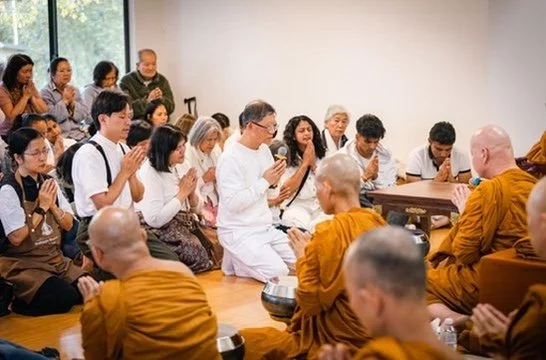
Staying in the Monastery
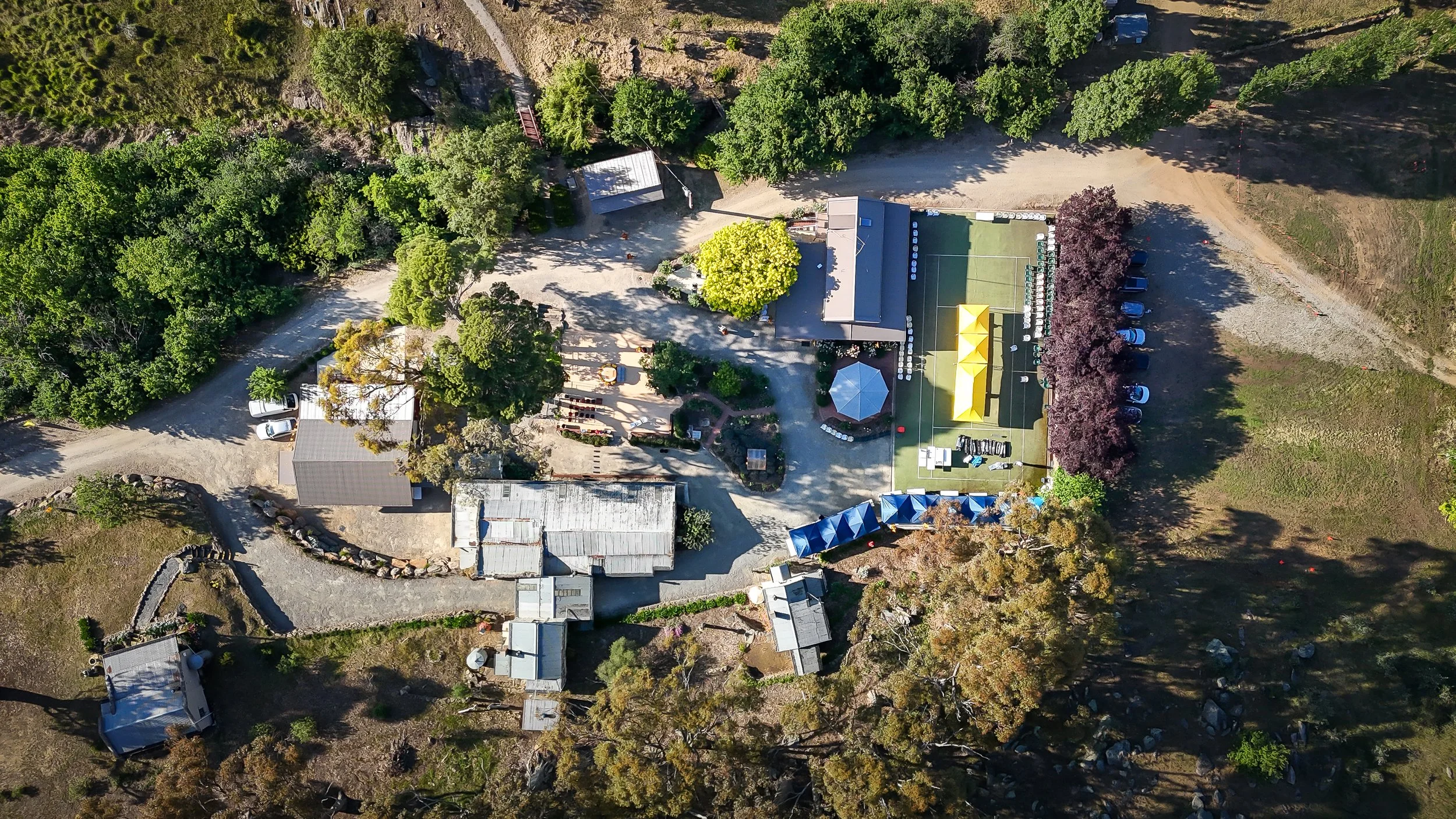
Bodhipala Monastery has a small number of accommodation, three rooms for male visitors and one separate accommodation cabin for female visitors. Below are some of the guidelines and information regarding staying multiple nights in the monastery
Introduction:
Staying in a Buddhist Monastery such as Bodhipala Monastery requires thought and consideration here is some information to help you understand what is expected of guests:
-
Visitors minimum stay is 3 nights
Guests need to provide at least 7 days notice in advance of their proposed stay.
Guests must arrive no later than 6pm on the first day of their stay preferably arriving at meal time 10am.
New guests with no experience of staying in monasteries may apply for an initial stay of three nights only. Guests new to Bodhipala Monastery but with prior experience of staying in monasteries may request longer stays on the condition that the first three nights are probationary with the subsequent nights stay granted depending that the first three unfold to the satisfaction of the community.
Those who wish to continue the training with the possibility of taking ordination as a monk may arrange longer stays at the discretion of the community.
Sangha wishing to stay overnight must receive an invitation from the senior monk at least 7 days prior to their intended stay.
Please note:
The monastery currently only provides training for male monastics.
Children under the age of eighteen are unable to stay overnight in the monastery.
General:
Bodhipala Monastery was established in 2019 as a place of training for Buddhist monks in the monastic traditions, regulations and standards of Wat Nong Pah Pong, Thailand.
-
It’s assumed that guests applying to stay at the monastery have an interest in training in a monastic context and are therefore willing to observe these standards in order to experience how a monastic culture deepens spiritual practice. To that end the lifestyle of a lay-guest is modeled, as near as possible, on that of a monastic resident and emphasises respect, simplicity and goodwill – qualities that create a solid basis for tranquility and insight meditation.
That training begins with lay guests undertaking to uphold the Eight Moral Precepts, and is continued through the sharing of a single main meal that is offered daily to the monastic community (breakfast is available, however, to sustain people in the morning work period). Participation in all morning and evening meditation session is compulsory
Bodhipala Monastery is a smoke-free Monastery and prohibits smoking in any form
People from both Buddhist and non-Buddhist backgrounds who have not been exposed to the monastic discipline of the Therevadin Forest traditions or to the way of practice found in Venerable Ajahn Chah’s monastery, may find the discipline and customs unfamiliar. To gain a deeper understanding and sensitivity to the various conventions of monastic life, please ensure you read the Monastery Etiquette section below.
A Guide to Monastic Etiquette at Buddha Bodhivana Monastery
The standards of practice at Bodhipala Monastery are in keeping with those in the monasteries of Wat Nong Pah Pong, and follow closely the traditions established by Luang Por Chah.
Monastery Etiquette:
-
To live with a community dedicated to maintaining these traditions of virtue, meditation and wisdom is a rare opportunity and guests are asked to carefully observe monastery rules and guidelines.
Understandably, people from non-Buddhist backgrounds may find the discipline and customs unfamiliar. The following is therefore intended as a guide for laypeople staying at Buddha Bodhivana Monastery in the hope that it will provide greater understanding and sensitivity to the various conventions of monastic life.
Monastic Etiquette
Buddhist monasteries have certain social conventions and body language meant to convey a sense of composure, grace, and respect. Observing them helps foster harmony amongst community members, and assists them in their training in mindfulness and circumspection in everyday social interactions.
Please bear in mind that many monks are originally from non-Buddhist backgrounds and fully understand when newcomers are uncertain about the monastic etiquette and protocol. It’s helpful to recall that courtesy and respect form the basis of monastery etiquette, and that a well-intentioned attitude in keeping with these virtues is ultimately what counts.
Monastic Code
The Vinaya is the code of monastic discipline established by the Buddha and is closely followed at Bodhipala Monastery. It facilitates a respectful relationship with laypeople, without whose daily support the Saṇgha could not continue. Monks are prohibited from possessing money and from storing food. They are completely dependent on the laity for many simple things, such as the preparation and offering of food, pruning foliage, and digging in the earth.
Respectfulness
In monasteries, an emphasis is placed on establishing harmony through mindfulness and a consideration for others. Guests are invited to share in these observances of beautiful behavior and sensitivity.
Before entering a shrine room or living space, it is necessary to remove one’s shoes. There is the custom of bowing to the shrine or teacher. The triple bow, to the Buddha, Dhamma and Saṇgha, is usually done upon entering or leaving the meditation hall. At the end of a formal meditation period, respect is given to the senior monk with a triple bow. When in the meditation hall, care should be taken in moving with as little noise as possible. When sitting, one should avoid lolling or lying down, and sitting with one’s back against the wall, especially during a Dhamma talk. Care should be taken not to point the feet at the shrine or at other people generally, as this can be considered impolite.
When offering something to a monk or speaking with them, one should not stand over them but rather approach them at the same level at which they are sitting.
Bodhipala Monastery requests that you kindly refrain from smoking in all forms during your stay.
Offering
Monks are allowed to collect and consume their daily meal in the period between dawn and noon. Anything they intend to eat or drink, except water, must be formally offered into the hands or placed on or into something in direct contact with the hands.
Food and Drink
Visitors share in the meal offered to the monastic community by the laity. In keeping with Buddhist tradition and the ethic of simplicity, monks and lay guests generally eat only one meal a day, though breakfast may be taken before that daily work period. As the monastery receives food as a gift, it is unable to cater to special diets. Lay guests are not allowed to store food and drinks in their rooms or help themselves to food or drink from the kitchen outside the scheduled times.
Relationships
In our tradition, monks lead lives of total celibacy. This includes refraining from suggestive speech or physical contact with lustful intent, both of which are serious offenses against the Vinaya discipline. To avoid this and to prevent gossip or misunderstanding from arising, a monk has to be accompanied by another male whenever he is engaging in a long conversation with a woman.
Guests and visitors are asked to be sensitive to the proper mode of conduct for men and women within a monastic setting. Like the monks male guests, too, are practicing celibacy. Therefore it is not appropriate for them to engage in long or intimate conversations with female visitors either in person or via phone or email.
Terms of Address
The abbot is usually addressed as Ajahn (a Thai word which means “teacher”). Other monks can be addressed as “Venerable” or the Thai equivalent, “Tan.”
Añjali and Bowing
“Añjali”’ is a gesture of respect. The hands are held together in prayer-like fashion raised to the slightly lowered forehead. To bow correctly, kneel with the buttocks on the heels and with the hands in añjali. Bring the palms to the floor about four inches apart, then bring the forehead down to touch between the palms, the elbows close to the knees. Bow three times.
Application form to stay.